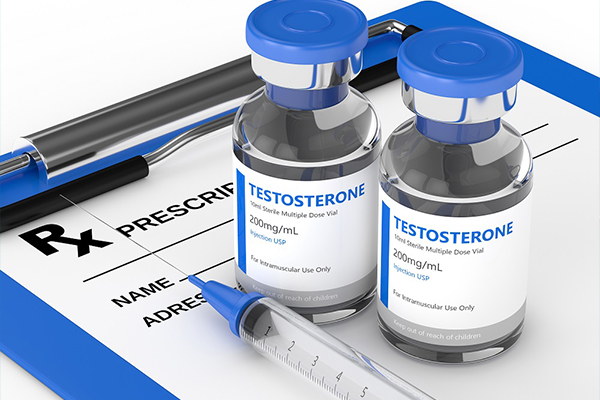
Your pharmacist has extensive knowledge in pharmacology, which include how drugs work, their side effects, interactions, and more, and can help you learn about the medications you’re taking, how to take them, what to expect, and what to avoid.
Your pharmacist can also collaborate with your physician and others members of your healthcare team about adjusting your medication therapy and finding an alternate medicine that may be more effective for you. When speaking with your pharmacist, be sure to tell them about any nonprescription medicines and food supplements that you take.
The cough and cold remedy aisle at your local drugstore can be somewhat baffling. Why so many products? Are they all the same? Here is some information to help ease your confusion and your symptoms.
When you have a cold, start by identifying your symptoms. Do you have a runny nose, nasal congestion, a cough, a headache or all of the above?
Ask your pharmacist to help you evaluate your signs and symptoms and determine the type of medicine you need. Speaking with your pharmacist will save you time and ensure you get the product or products best suited to your condition.
Pharmacists have a vital role in ensuring safe and effective pain management, as they are often the first point of contact for patients seeking nonprescription analgesics and advice regarding prescription analgesics.
Pharmacists help patient’s live meaningful and productive lives with adequately managed pain. When pharmacists provide education to their patients with pain, patients experience a decrease in the incidence of adverse events and improvements in their satisfaction with care. Pharmacist help patients understand the appropriate use of the medication and periodically assess them to ensure that pain management goals are being adequately met.